The rule says keep a written plan on-site. RuleRobin builds it.
If your site stores oil, holds chemicals, or lets stormwater run off the yard, the EPA has a plan you are supposed to have on hand. Answer a few plain questions about your facility and RuleRobin puts together the document, sized to what your site actually is.
A service of Athanor Works LLC. Not a law firm. Not the EPA. You review and sign; we tell you what applies before you pay.
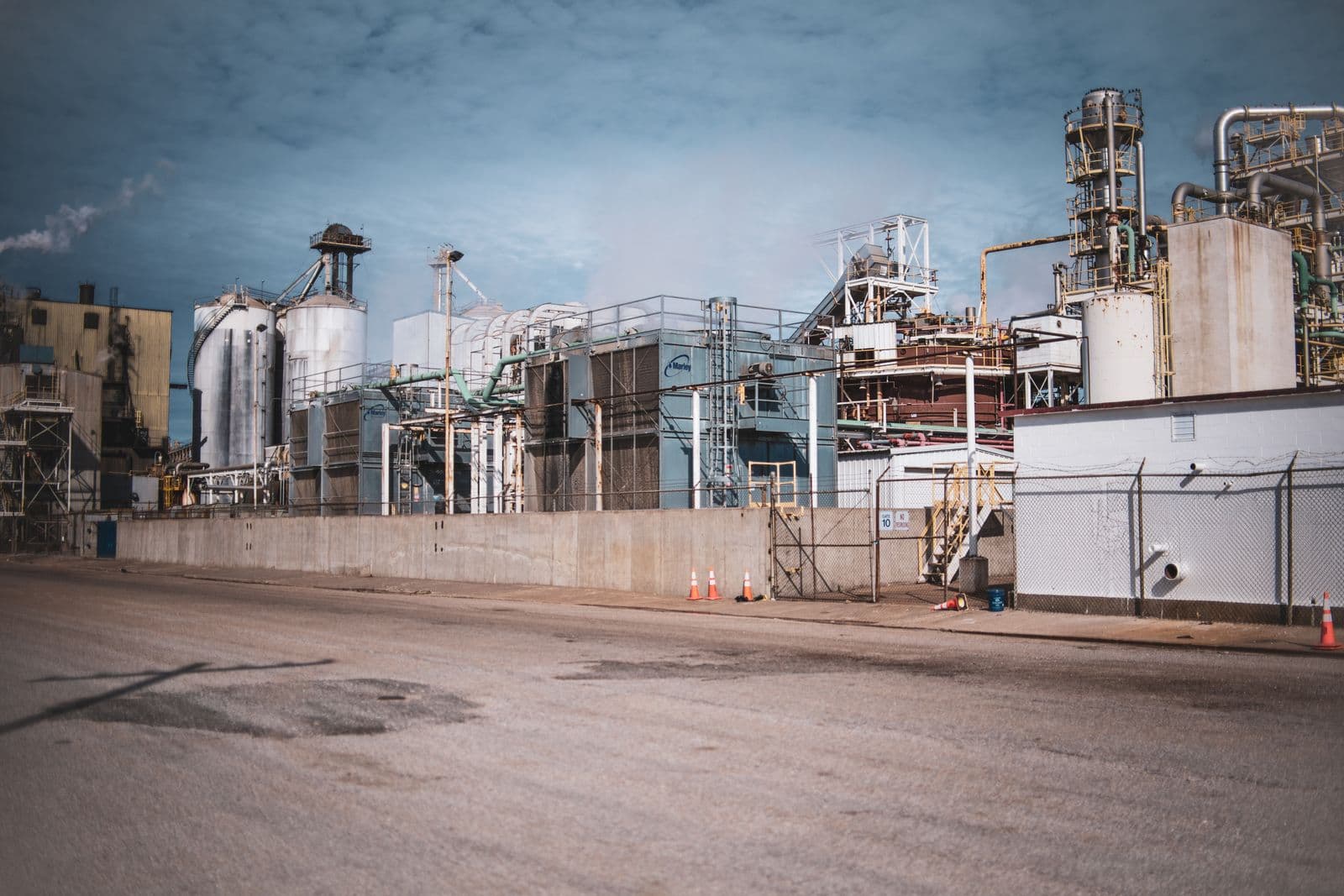
Three documents, one rule each.
Each of these is a specific written deliverable a federal rule requires. SPCC is available now. Tier II and industrial stormwater are in build.
No consultant retainer, no subscription to keep the SPCC plan once you have it. Where a plan is not priced yet, we say so and quote it.
Aboveground oil storage is the trigger for an SPCC plan.
If your site keeps more than 1,320 gallons of oil aboveground and a spill could reach water, the EPA rule at 40 CFR 112 requires a written SPCC plan on-site. The rule was written to let qualifying owners write and sign their own. That path is called Tier I, and it is the whole point of RuleRobin.
- Built to the EPA Tier I format, with your containment math worked out
- Free check first: find out if you self-certify or need a PE review
- $499 one time, refundable until you sign
Four steps, in the order they actually happen.
Answer a few questions
Your tanks and chemicals, what is in them, how close water is, your history. Plain English, no code sections to look up.
We check what applies, free
You find out on the spot which plan you need, whether you can sign it yourself, and whether you need one at all. No charge to check.
We build your plan
RuleRobin assembles the document to the rule's format, with your site details, the required sections, and the math worked out.
You review and sign
On self-certification paths you sign and keep the plan on-site. Where the rule requires it, a licensed Professional Engineer reviews and certifies first.
Built for the yard, not the boardroom.
The buyers we build for run fuel yards, farms, shops, and transfer stations. The plan should read that way, and cost that way.

The price is on the page
SPCC is $499, one time, no subscription to keep the plan. Where a plan is not priced yet, we say so and quote it, we do not hide it behind a demo.
Sized to your site
If the rule lets you self-certify, you sign your own plan. If your site is too big or too complex, a licensed PE reviews it. We route you to the right one instead of overselling.
You stay the certifier
We prepare the document. You review it, you sign it, you keep it on-site. We do not file it with the EPA for you, and we do not certify it in your place.
Built to the rule text
The plans follow the format the regulation actually specifies. We name the parts in plain language and pin the version the plan was built to.
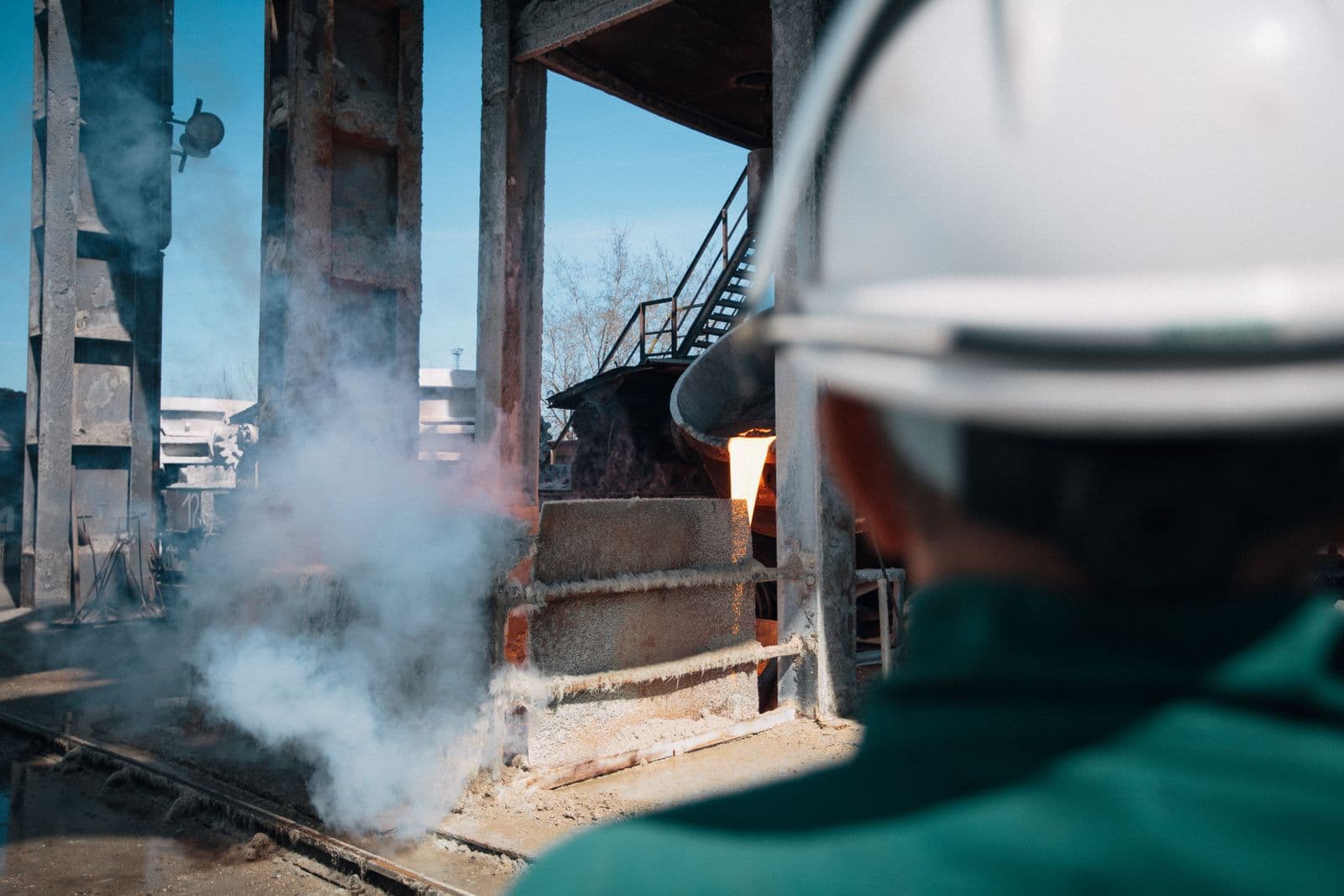
If an inspector, an insurer, or a prime asked for a plan.
Most operators find out they need one of these the hard way. If any of this is your site, one of the three plans probably applies:
- Fuel and equipment yards
- Farms and ag with bulk fuel
- Trucking and transport yards
- Small manufacturers and shops
- Scrap, salvage, and recycling
- Contractors with on-site tanks
- Warehousing and distribution
- Chemical and supply distributors
What we are, and what we are not.
What RuleRobin does
- Prepares the written plan the rule requires, from your inputs.
- Works out the containment and threshold math for your site.
- Tells you, free, which plan applies and whether you self-certify.
- Routes you to a licensed PE review when the rule requires one.
What it does not do
- Give legal advice, or act as an engineering firm.
- File anything with the EPA on your behalf.
- Promise any inspection or enforcement outcome.
- Claim to be EPA-approved. No plan is pre-approved by EPA.
Find out where your site stands.
Start with SPCC, the plan most small oil-storage sites need, or send us your details and we will point you to the right one.